









Tattoo Lightening with
Removers Course: Theory and Practice
Tattoo lightening with removers in Klaipėda is a controlled transdermal technique aimed at gradually reducing pigment concentration within the dermal layer.
Unlike laser procedures, this method is based on chemical extraction mechanisms that stimulate the migration of pigment particles toward the skin surface.
During the natural healing process, fragmented pigment is partially eliminated through the formation of a protective crust. This approach allows specialists to decrease color saturation, soften dense areas of pigment, and prepare the skin for cover-up work or aesthetic correction.

 Create a sketch in the VEAN TATTOO AI generator

Theoretical Block
The theoretical module of the course is designed to provide a structured understanding of skin physiology and the biochemical interaction between remover formulations and tattoo pigments.
Participants explore regenerative processes in tissues and learn how to predict treatment outcomes based on pigment characteristics and skin response.
Key topics include:
- Skin anatomy: epidermis, basal membrane, papillary and reticular dermal layers.
- The role of macrophages in pigment retention and redistribution.
- Chemical composition of modern removers, including acidic, alkaline, and saline-based solutions.
- Mechanisms of osmotic pigment displacement.
- Controlled inflammatory response and stages of tissue repair.
- Specific interaction patterns with organic and inorganic pigments.
- Clinical indications and contraindications for the procedure.
- Possible complications such as scarring or pigmentation changes and methods of prevention.
Additional attention is given to aseptic protocols and factors influencing the predictability of aesthetic results.


Practical Block
The practical module focuses on developing confident procedural skills and safe working habits.
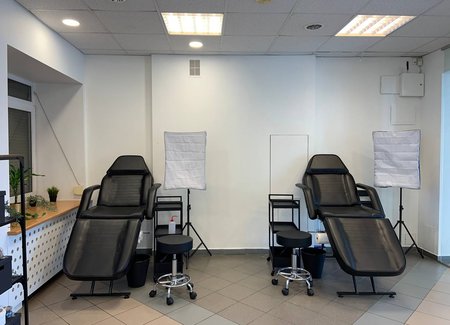
Training is conducted under instructor supervision in conditions that closely replicate real professional practice.
During hands-on sessions participants:
- Perform an initial consultation and collect relevant client history.
- Assess pigment depth, density, and type.
- Select appropriate remover application techniques.
- Control the level of tissue impact and maintain procedural precision.
- Create an even treatment field for predictable lightening results.
- Practice structured post-procedure care protocols.
Special emphasis is placed on minimizing the risk of scar formation and ensuring proper client guidance throughout the healing period.
Practice on Models
Independent work on live models is a crucial stage of professional development. This format allows participants to refine technique, develop tactile control, and gain confidence in real clinical scenarios.
Participants learn to:
- Maintain correct hand positioning and procedural ergonomics.
- Monitor the depth of remover introduction.
- Evaluate dynamic skin reactions during and after treatment.
- Plan safe intervals between sessions for optimal regeneration.
Working with models helps specialists better understand variations in skin behavior and pigment density while also improving communication and aftercare management skills.


Learning Outcomes
After completing the tattoo lightening with removers course in Klaipėda, specialists gain comprehensive theoretical knowledge and practical competence required for performing procedures safely and effectively.
They develop the ability to control treatment intensity, adapt techniques to different skin phototypes, and minimize the risk of complications.
Graduates are also prepared to professionally guide clients through all healing stages and build predictable aesthetic treatment strategies. This significantly expands professional opportunities and improves the overall quality of services in modern aesthetic practice.


